Spandex Bikini Beach: How Bikinis, Thongs, and Micro Swimwear Are Changing Beach Fashion for Men and Women
The Complete Guide to the Bikini Beach Revolution
Beach fashion is changing, and one of the most exciting developments is the growing visibility of spandex bikinis, thongs, G-strings, and micro swimsuits for both men and women. The days when women were expected to wear bikinis and men were expected to cover up in oversized board shorts are giving way to a much more diverse world of beach fashion.
From the Mediterranean beaches of Europe to the tropical destinations of the Caribbean, the beaches of Brazil, and the sunny coastlines of California and Florida, revealing swimwear has become an established part of beach culture in many locations.
Women have enjoyed an enormous selection of tiny bikinis and thong swimsuits for decades. Now men are exploring many of the same fashion choices, including designs that are every bit as small as women’s swimwear—and sometimes even smaller.
Today’s men’s swimwear market includes everything from traditional Speedo-style briefs and high-cut bikinis to narrow thongs, G-strings, ultra-micro pouches, gender-neutral swimwear, and MTF-inspired designs.
This evolution is helping create what enthusiasts might call the Spandex Bikini Beach: a beach environment where swimwear is about personal expression, comfort, body confidence, and the freedom to wear as much or as little as local rules and personal preferences allow.
For anyone who loves skin-tight swimwear, the possibilities have never been more interesting.
1. The Rise of Spandex Bikini Beach Culture
For much of the twentieth century, men’s and women’s beach fashions followed different paths.
Women’s swimwear became progressively more varied, with the introduction of two-piece bikinis, string bikinis, high-cut bottoms, thong designs, and micro styles.
Men’s swimwear evolved differently.
Although fitted swim briefs were popular in many countries, especially throughout Europe, Australia, and South America, loose swim trunks and board shorts became dominant in other markets, particularly the United States.
For years, American men wearing small bikinis or Speedos could attract attention simply because their swimwear was different from what most men around them were wearing.
But beach fashion has never been static.
The influence of international travel, social media, LGBTQ+ fashion, fitness culture, and specialized swimwear manufacturers has helped introduce more men to the enormous variety of fitted swimwear available.
A growing number of enthusiasts are discovering that they do not have to choose between long swim trunks and traditional briefs.
They can wear bikinis, thongs, micro swimsuits, and other innovative spandex designs.
The result is a more varied beach environment where conventional distinctions between men’s and women’s swimwear are becoming less important for some wearers.
2. Why Spandex Has Become Such an Important Swimwear Fabric
Spandex, also commonly known as elastane or Lycra, has played an important role in modern swimwear design.
Its ability to stretch and recover makes it particularly useful for garments that fit closely to the body.
Most spandex swimsuits combine elastane with nylon or polyester to achieve a balance of flexibility, durability, and comfort.
Why Beachgoers Love Spandex
- Skin-tight fit: Spandex follows the natural contours of the body without requiring excess material.
- Freedom of movement: Stretch fabrics allow swimming, walking, and beach activities with less restriction.
- Lightweight construction: Small spandex swimsuits can feel significantly less bulky than traditional shorts.
- Fashion versatility: Designers can create everything from modest swim briefs to extremely small bikinis and thongs.
- Body-conscious styling: Spandex can emphasize, minimize, or reshape the appearance of different body contours through garment construction.
- Color and design: Modern swimwear is available in countless colors, patterns, textures, and finishes.
One of the biggest advantages is that a very small amount of fabric can still produce a functional garment.
That characteristic has helped designers develop increasingly minimal swimwear for both men and women.
3. Women’s Bikinis and Thongs Helped Create the Modern Bikini Beach
Women’s swimwear has had an enormous influence on modern beach fashion.
The bikini, introduced in 1946, eventually became one of the most recognizable swimwear styles in the world.
Over the following decades, designers experimented with increasingly varied cuts.
High-leg bikinis, Brazilian bottoms, string bikinis, thong swimsuits, and micro bikinis all became part of the fashion landscape.
Today, women’s beachwear ranges from full-coverage swimsuits to designs with very little fabric.
The Popularity of Thong Bikini Bottoms
Thong swimwear has become particularly visible at fashion-oriented beaches, resorts, and pool parties.
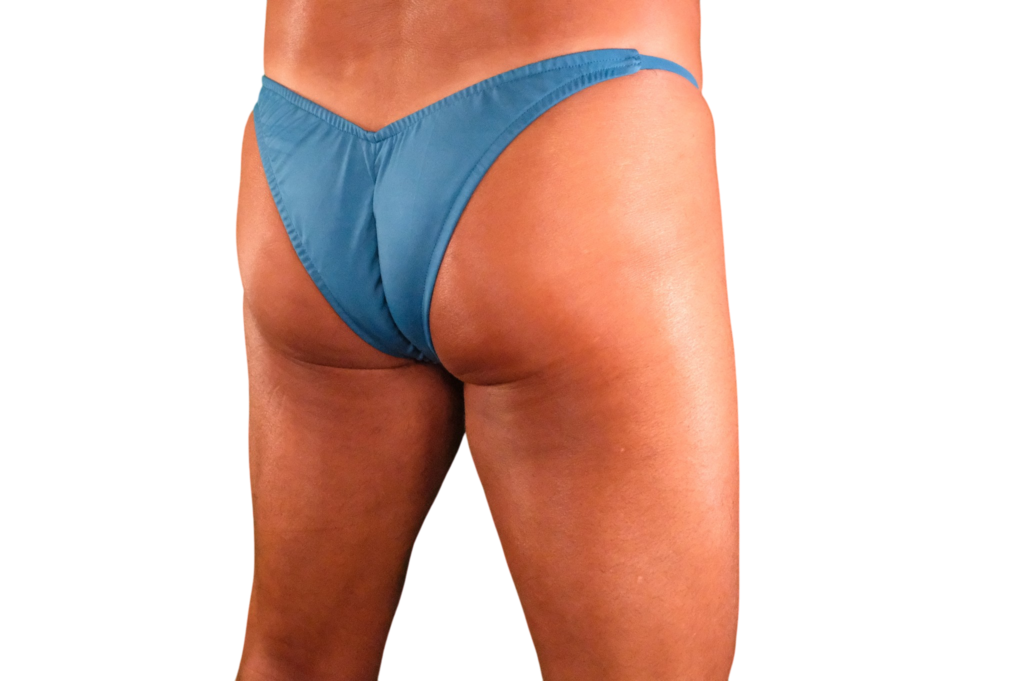
These designs offer minimal rear coverage and can create the appearance of longer legs through high-cut sides.
Brazilian-inspired swimwear has also influenced international beach fashion, particularly with cheeky and narrow-back styles.
The popularity of these designs helped normalize the idea that swimwear could be both functional and highly revealing.
Men’s swimwear designers have increasingly explored similar cuts, giving men access to some of the same silhouettes that women have enjoyed for years.
4. Men’s Spandex Bikinis Are Becoming an Alternative to Board Shorts
For many men, the first step toward smaller swimwear is simply replacing board shorts with a fitted brief.
A traditional men’s bikini swimsuit offers considerably less coverage than shorts while remaining practical for swimming and sunbathing.
But the category has expanded far beyond conventional briefs.
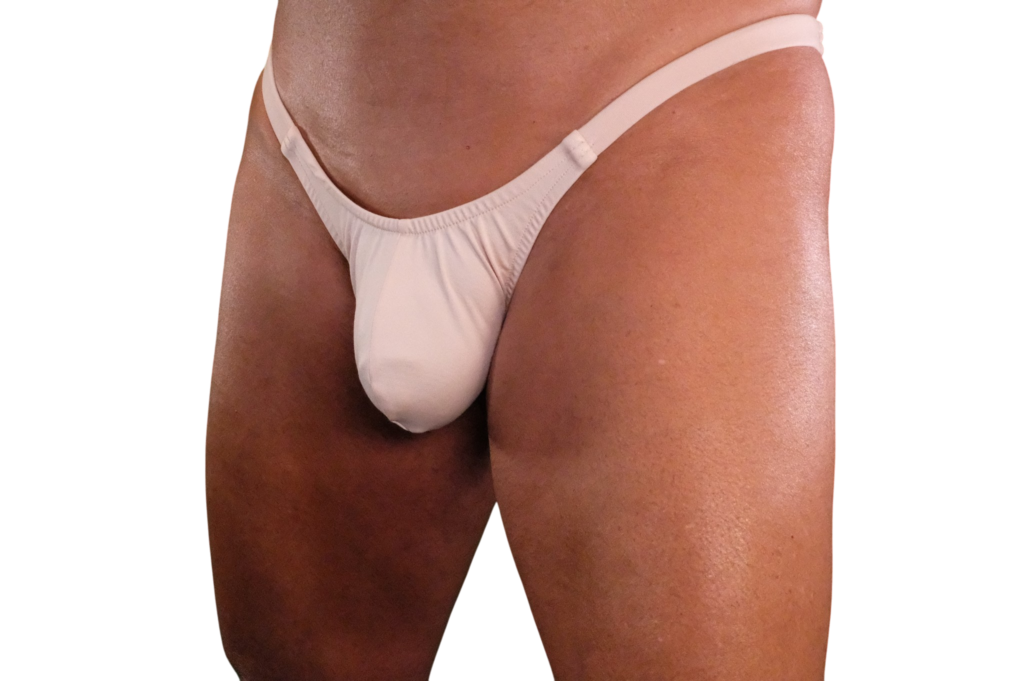
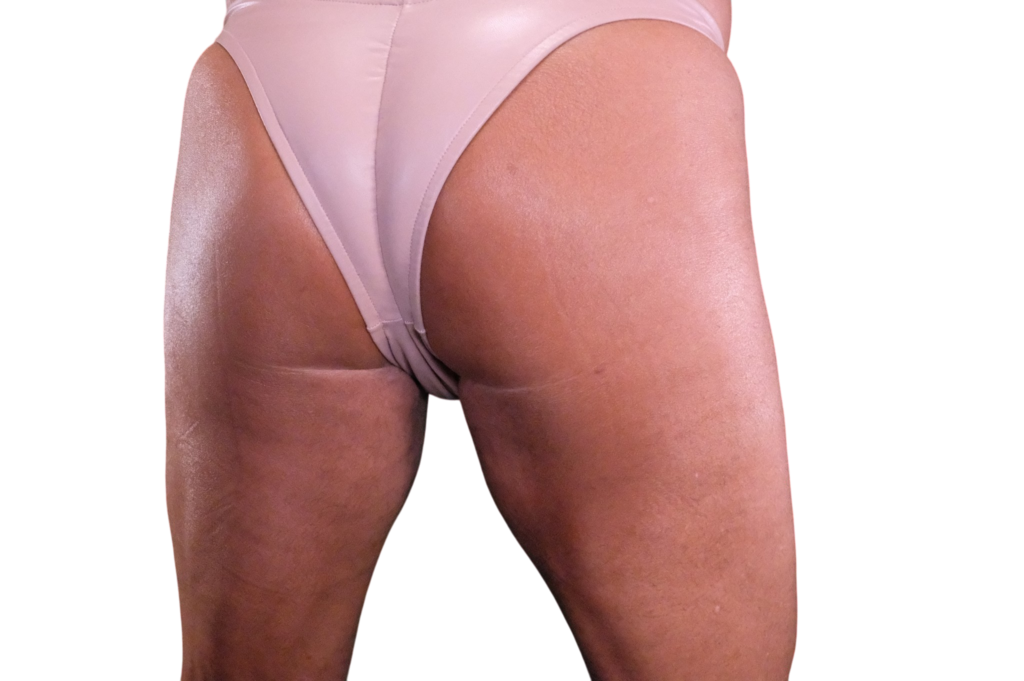
Modern men’s spandex bikinis may feature narrow sides, high-cut legs, low-rise waistbands, contoured front pouches, reduced rear coverage, and very minimal fabric.
Some designs resemble classic athletic swim briefs. Others are closer in appearance to women’s bikini bottoms.
Why Men Are Choosing Smaller Bikinis
There are several reasons.
Some men appreciate the freedom of movement and reduced bulk.
Others enjoy the appearance of a fitted swimsuit that displays more of their physique.
Some prefer the reduced tan lines of smaller swimwear.
And many simply enjoy wearing something stylish, unconventional, and different from traditional men’s beach clothing.
Sexual orientation does not determine who can enjoy a bikini swimsuit.
Straight, gay, bisexual, and gender-diverse men may all appreciate the same designs for different reasons.
The biggest change is the growing availability of choices.
Men no longer have to accept the idea that swim trunks are their only practical option.
5. Thong Swimwear Is Changing the Look of the Beach
One of the most noticeable changes in bikini fashion is the increased visibility of thong swimsuits.
For women, thong bikini bottoms have moved from a relatively specialized fashion into the collections of mainstream swimwear designers.
For men, thongs remain more of a specialty category, but they are increasingly available from dedicated swimwear companies.
The modern men’s thong has many variations.
Traditional Swim Thong: A fitted front pouch with narrow rear coverage and a comfortable waistband.
Brazilian-Style Thong: A slightly fuller front and back, offering a compromise between a bikini and a conventional thong.
String-Side Thong: Narrow straps replace much of the fabric around the hips.
Micro Thong: An extremely small front pouch combined with minimal rear coverage.
Ultra-Micro Thong: A highly specialized design that reduces fabric coverage toward the practical limits of a swimsuit.
The appeal is easy to understand. Thongs provide fewer tan lines, allow more skin exposure, and create a distinctly body-conscious appearance.
And for men who have spent years wearing bulky swim trunks, trying a thong can feel like a completely new beach experience.
6. Beaches Around the World Are Embracing Smaller Swimwear
Not every beach is becoming a thong beach. Cultural attitudes and dress standards still vary considerably.
However, certain destinations have long-established traditions of minimal swimwear, while others are seeing greater fashion diversity.
Brazil: A Bikini Beach Tradition
Brazilian beach culture has long celebrated fitted, minimal swimwear.
Women’s Brazilian-cut bikinis and men’s compact swim briefs are familiar sights.
Thongs and cheeky designs fit naturally into this fashion tradition, although styles vary by beach and community.
Spain and the Mediterranean
Destinations such as Sitges, Ibiza, and parts of the French and Italian coasts have established cultures of brief swimwear.
Some beach areas, especially LGBTQ+-friendly destinations, are also known for men’s thongs and smaller bikini designs.
Miami and South Florida
South Florida’s international beach culture creates opportunities for more adventurous swimwear, including fashionable bikinis, cheeky cuts, and men’s fitted briefs.
Thong acceptance still depends on the specific beach and applicable rules.
California Beaches
California offers a mixture of surf culture, traditional bikinis, athletic swimwear, and experimental beach fashions.
Locations with more fashion-oriented or diverse crowds may be more welcoming to unconventional styles, but local regulations still matter.
European men’s swimwear brands are also promoting thongs as part of contemporary beach-club fashion, particularly in destinations such as Sitges and Mykonos.
This reflects a developing specialty market rather than proof that most men at these beaches now wear thongs.
7. Micro and Ultra-Micro Swimsuits: When Men Wear Less Than Women
Perhaps the most surprising development in modern men’s swimwear is the appearance of designs that are smaller than many women’s bikinis.
For decades, the stereotype was that women wore revealing swimwear while men covered themselves in shorts.
Specialized men’s swimwear designers are challenging that distinction.
Today, a couple might visit the beach with the woman wearing a conventional bikini and the man wearing a tiny micro thong or pouch-style swimsuit.
His swimsuit may contain considerably less fabric than hers.
This is especially apparent in the world of micro and ultra-micro designs.
The Different Micro Styles
Micro Bikini: A very small bikini with reduced front, side, and rear coverage.
Ultra-Micro Bikini: An even more minimal design, often featuring narrow straps and tiny fabric panels.
Pouch-Only Swimsuit: A design centered around a small front pouch held in position by narrow straps.
Micro-Bulge Bikini: A swimsuit designed to create the appearance of a very small front profile.
G-String Swimsuit: A small front panel supported by thin strings with virtually no rear coverage.
Gender-Neutral Micro Swimsuit: A design that reduces traditionally masculine or feminine anatomical emphasis.
These styles are not appropriate for every public beach, and some may not provide the coverage required by local rules.
But they illustrate just how creative the specialized men’s swimwear market has become.
8. Gender-Fluid and MTF Swimwear Are Bringing New Looks to Bikini Beaches
Another interesting development is the emergence of swimwear that crosses traditional gender boundaries.
Some men prefer masculine bikini styles with a defined pouch.
Others want a smoother, flatter appearance or a swimsuit that looks more traditionally feminine.
For transgender women, feminine men, crossdressers, and gender-fluid beachgoers, specialized swimwear offers additional choices.
Tucking Bikinis
Tucking bikinis use compression, lining, and carefully designed front panels to reduce the visibility of male genital contours.
MTF Transformation Swimsuits
These designs can create a smoother, more traditionally feminine front, sometimes using shaping techniques that visually resemble women’s bikini bottoms.
Flat-Front and Micro-Bulge Styles
Some men enjoy a compact front appearance without necessarily wanting to look female.
Feminine Bikini Cuts for Men
High-leg designs, narrow sides, pastel colors, and women’s-inspired bikini shapes offer a softer, more feminine presentation.
The important development is that swimwear no longer has to communicate one rigid idea of masculinity or femininity.
A man can enjoy wearing a feminine bikini without changing his gender identity.
A transgender woman can choose swimwear that supports her presentation.
A gender-fluid person can experiment with different styles depending on how they want to look.
9. The Growing Popularity of Men’s Sexy Spandex Swimwear
The term sexy swimwear means different things to different people.
For some, it means a flattering bikini that emphasizes an athletic physique.
For others, it means a revealing thong or micro swimsuit.
And for people interested in gender expression, it might mean wearing a swimsuit that creates a feminine or gender-neutral appearance.
Spandex makes these different looks possible because it can be shaped closely around the body.
Specialty companies such as Koalaswim.com offer men’s swimwear beyond the traditional brief, including bikinis, thongs, micro designs, and specialized gender-expression styles.
The appeal is not limited to gay men, although gay beach culture has played an important role in popularizing more daring men’s swimwear.
Straight men, bisexual men, and people of different gender identities can also enjoy these fashions.
A swimsuit is not an indication of sexual orientation.
10. Why Wearing a Tiny Bikini to the Beach Can Be So Exciting
For someone who has never worn a small swimsuit in public, the first experience can be memorable.
Imagine spending years wearing long swim shorts and then arriving at the beach wearing a narrow spandex bikini.
Suddenly, your legs are exposed, the swimsuit feels lighter, and you are more aware of the fit of the fabric.
You may feel nervous at first.
You might wonder whether people are looking at you or whether your swimsuit is too revealing.
Those feelings are common when trying an unfamiliar fashion.
But after spending time swimming, walking, sunbathing, and enjoying the beach, many people discover that the swimsuit becomes less of a concern.
The excitement gradually gives way to comfort.
For some men, this leads to trying smaller designs.
A traditional Speedo becomes a bikini. A bikini becomes a narrow-side micro. Eventually, they may become curious about thongs or G-strings.
For others, a conventional bikini remains their favorite.
There is no requirement to keep making your swimsuit smaller. The best choice is the one you enjoy wearing.
11. Couples Are Discovering Bikini and Thong Beach Fashion Together
One particularly interesting possibility is couples exploring smaller swimwear together.
Traditionally, the woman might wear a bikini while the man wears shorts.
Now both partners can choose from an enormous selection of body-conscious swimwear.
Some couples enjoy coordinating colors or styles.
Others experiment with contrasting looks.
A woman might wear a Brazilian bikini while her boyfriend wears a thong. Another couple might prefer matching micro bikinis.
Some women enjoy seeing their male partners in more revealing or feminine swimwear, while others prefer traditional masculine designs.
Likewise, some men enjoy encouraging their partners to try different bikini cuts.
The key is mutual enjoyment.
When both partners feel comfortable, exploring swimwear together can make vacations and beach outings more fun.
12. Choosing Your First Spandex Bikini or Thong for the Beach
If you are thinking about trying a smaller swimsuit, choosing the right design can make the experience much easier.
| Swimwear style | Coverage | Best starting environment |
|---|---|---|
| Classic Speedo-style brief | Moderate | Most conventional swimming settings |
| Men’s bikini | Low to moderate | Beaches and resorts permitting briefs |
| Brazilian or cheeky bikini | Low | Fashion-oriented beaches |
| Swim thong | Very low at rear | Beaches explicitly permitting thongs |
| Micro bikini | Very low | Suitable beaches or private pools |
| Ultra-micro or G-string | Minimal | Private or designated adult venues |
Fit is especially important with micro swimwear.
The swimsuit should remain secure when walking, swimming, or sitting.
Always check that the material is suitable for water and that the front provides the coverage required by the venue.
13. Are Thong and Micro Swimsuits Legal at the Beach?
This is an important question because swimwear rules vary by location.
Some beaches allow thongs for men and women.
Others restrict exposure of the buttocks or require more substantial coverage.
A swimsuit that is acceptable at one beach may violate the rules at another.
Hotel pools, cruise ships, private resorts, and beach clubs can also establish dress codes that differ from public beach regulations.
Before wearing an ultra-small swimsuit, check the relevant local ordinances and venue policies.
Remember that a thong is not necessarily treated the same as full nudity, but that does not mean it is permitted everywhere.
14. Spandex Bikini Beach Fashion Is About Body Confidence
One of the most positive aspects of the growing variety in beachwear is that people have more opportunities to dress according to their own preferences.
You do not have to be a bodybuilder to wear a bikini.
You do not need perfectly defined abdominal muscles to enjoy a thong.
You do not have to be young, exceptionally slim, or conventionally attractive to appreciate spandex swimwear.
People of different ages and body types can find designs that suit them.
For men in particular, this can be a meaningful change.
Many grew up believing that their bodies should be covered by loose swim shorts unless they were competitive swimmers.
The availability of smaller swimwear offers another option.
Women have long faced pressures about what kind of body is considered acceptable in a bikini.
The same principle of body confidence should apply to everyone.
Beachwear should be about enjoyment, not meeting someone else’s physical expectations.
15. Frequently Asked Questions About Spandex Bikini Beaches
Are More Men Wearing Bikini Swimsuits at the Beach?
Men’s bikini and thong styles are more visible in specialized fashion markets, and more designs are available than in the past.
However, reliable global statistics are limited, so it is difficult to measure exactly how quickly public adoption is growing.
Are Thong Swimsuits Becoming Popular for Women?
Yes. Fashion coverage has documented increased interest in cheeky and thong bikini bottoms, including broader availability from mainstream swimwear brands.
Can Straight Men Wear Thongs?
Absolutely. Swimwear preferences do not determine sexual orientation.
Are Men’s Micro Bikinis Smaller Than Women’s Bikinis?
Some are. Specialized men’s micro and pouch-style designs can use less fabric than conventional women’s bikini bottoms.
Can Men Wear Women’s-Style Bikini Designs?
Yes. Some men enjoy feminine cuts, while others prefer designs made specifically for male anatomy.
What Is the Difference Between a Bikini and a Thong?
A bikini generally has a front panel and some rear coverage.
A thong uses a narrow strip or strap at the rear, exposing most of the buttocks.
Are Micro Swimsuits Comfortable for Swimming?
Some are designed for swimming, while others are primarily fashion or tanning garments.
Fit, fabric, and secure coverage determine practicality.
Where Should I Try a Thong for the First Time?
Choose a beach, resort, or private pool where thong swimwear is explicitly permitted and where you feel comfortable with the atmosphere.
16. The Future of Spandex Bikini Beaches
The future of beach fashion is unlikely to involve everyone wearing the same style.
Board shorts will remain popular.
Traditional bikinis will continue to have a major place in women’s fashion.
Men’s swim briefs will remain a practical choice.
But the range of available designs is expanding.
Specialty designers are experimenting with narrower bikini fronts, minimal pouches, high-cut silhouettes, Brazilian backs, thongs, G-strings, and gender-fluid swimwear.
The next phase may bring more innovation in fabric technology, adjustable fit, seamless construction, and swimwear that provides particular visual effects without sacrificing comfort.
The most significant change may be cultural rather than technical.
Men and women increasingly have opportunities to choose swimwear based on how they want to look and feel rather than following traditional expectations about how much of their bodies they should cover.
Conclusion: Welcome to the New Spandex Bikini Beach
The modern bikini beach is becoming more diverse, colorful, and adventurous.
Women are embracing a wide variety of bikini and thong styles, while men are discovering that they too can enjoy the freedom of wearing small, skin-tight swimwear.
From the traditional Speedo to the tiniest specialized micro bikini, there is an extraordinary range of designs available.
And perhaps the most interesting change is that men and women no longer have to follow completely different rules of beach fashion.
A man can wear a bikini.
A woman can wear shorts.
Both can wear thongs.
Either can choose a modest or extremely revealing swimsuit.
The real future of beach fashion is not that everyone will wear less.
It is that everyone will have more freedom to choose.
For those who love spandex bikinis, thongs, G-strings, and micro swimsuits, that means more styles to discover, more opportunities to experiment, and more reasons to enjoy a beautiful day at the beach.