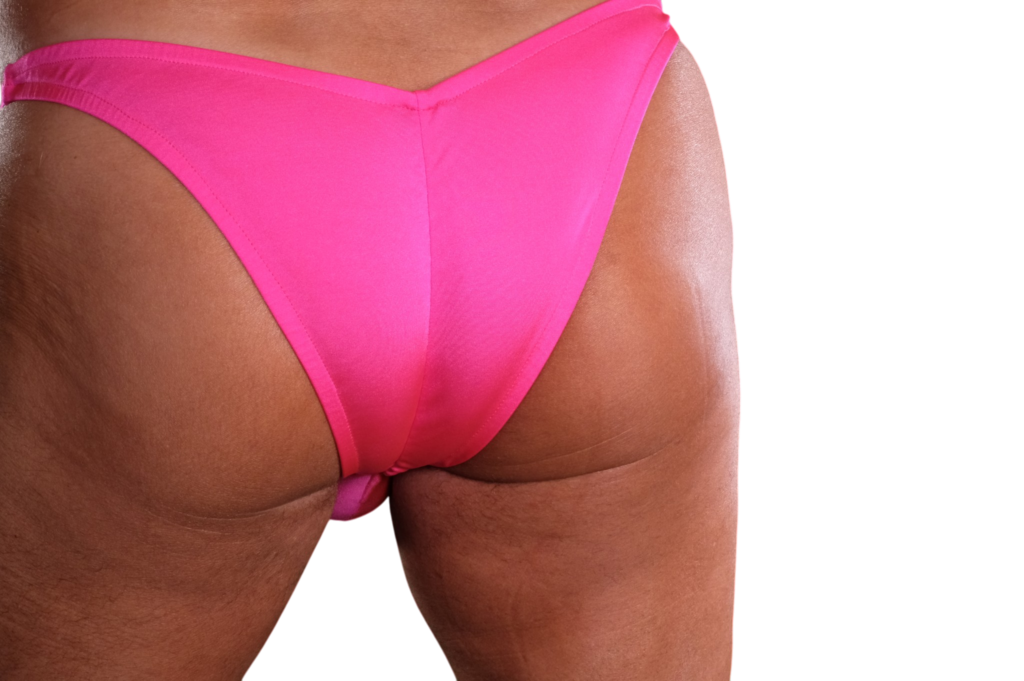
The Rise of the Spandex Bikini: How a Once “Women-Only” Swimsuit Became a Major Trend for Men
For decades, the word bikini was almost exclusively associated with women’s swimwear. Popular culture, advertising, and social norms strongly framed bikinis as feminine—small, body-revealing, playful, and often sexualized in ways that made them seem off-limits to men. Men, by contrast, were largely pushed toward boardshorts, trunks, or at most traditional swim briefs.
Today, that divide has changed dramatically.
The spandex bikini has crossed over from being viewed as a strictly female garment into one of the fastest-growing categories in men’s swimwear. Around beaches, pools, resorts, cruise ships, and online specialty retailers, more men than ever are embracing bikini cuts, micro briefs, thongs, and ultra-minimal spandex designs. What was once niche has become mainstream in many parts of the world—and the reasons go far beyond shock value.
This evolution is about fashion, comfort, body confidence, athletic performance, changing masculinity, and the simple realization that men can look incredible in swimwear once reserved for women.
What Exactly Is a Spandex Bikini?
At its core, a spandex bikini is defined less by gender and more by:
- Minimal fabric
- Body-hugging fit
- High stretch capability
- Contoured silhouette
- Greater freedom of movement
- Emphasis on physique
Spandex (often blended with nylon, polyamide, or polyester) changed swimwear forever because it allowed designers to create smaller, tighter, more sculpted garments that move like a second skin.
For men, this means bikini styles that can range from:
- Classic swim briefs
- Low-rise bikinis
- High-cut side bikinis
- String bikinis
- Thongs
- G-strings
- Micro and ultra-micro cuts
Instead of loose, heavy shorts, men can now choose sleek, sculpted designs that highlight the male body in ways that are athletic, sexy, and increasingly accepted.
Why Was the Bikini Originally Considered “Female”?
The answer is largely cultural—not practical.
Historically:
1. Social Conditioning
Fashion industries heavily gendered swimwear. Women were “allowed” smaller silhouettes, while men were expected to project masculinity through coverage and utility.
2. Fear of Feminization
Many men avoided bikini-style swimwear because minimal cuts were unfairly associated with femininity, vanity, or queerness.
3. Regional Conservatism
In places like the U.S., longer boardshort culture became dominant, especially from surf culture, while countries in Europe, South America, and Australia often remained far more accepting of men’s briefs and bikini styles.
The Global Shift: Men Reclaiming the Bikini
As fashion boundaries blurred, men began asking a logical question:
If it’s comfortable, flattering, practical, and looks good—why shouldn’t men wear it?
That simple question helped fuel a major crossover.
Key drivers include:
1. Spandex Changed Comfort Standards
Men discovered that spandex bikinis offer:
Better mobility:
- Swimming
- Sunbathing
- Beach sports
- Pool lounging
Less drag:
For swimmers and active beachgoers, less fabric often means better movement.
Faster drying:
Spandex dries quickly compared to bulkier trunks.
Less chafing:
A fitted bikini often reduces the sand friction and bunching common with boardshorts.
For many first-time wearers, the surprise is that smaller doesn’t necessarily mean less comfortable—it often means more.
2. Body Positivity and Fitness Culture
Modern male fitness culture has dramatically reshaped swimwear.
Men who spend time building:
- Legs
- Glutes
- Abs
- V-taper physiques
…often want swimwear that actually shows that work.
Boardshorts hide much of the body, while spandex bikinis emphasize:
- Leg lines
- Waist definition
- Glute shape
- Athletic proportion
As men increasingly focus on aesthetics, bikini swimwear has become a natural extension of gym culture.
3. The “Speedo Effect”
Traditional swim briefs—often referred to generically as Speedos—helped normalize smaller men’s swimwear.
For many men, the progression looks like:
Boardshorts → Swim briefs → Bikini briefs → String bikinis → Thongs or micros
Once a man becomes comfortable with less coverage, many realize the stigma was often psychological rather than practical.
This “briefer the better” progression has helped push men’s bikini culture forward.
4. Women’s Influence and Fashion Crossover
Many women now actively encourage men to experiment with better-fitting swimwear.
Why?
Because well-cut bikinis often:
- Look more stylish
- Show confidence
- Enhance body shape
- Feel fashion-forward
- Break outdated style rules
The same body-conscious styling principles that revolutionized women’s swimwear eventually began influencing men’s fashion too.
5. LGBTQ+ Fashion Innovation Became Mainstream
Many bold men’s bikini innovations first gained traction in LGBTQ+ communities, where fashion experimentation often moved faster than mainstream retail.
These included:
- Thong swimwear
- Micro cuts
- Bold prints
- Metallic fabrics
- Gender-fluid silhouettes
Over time, mainstream straight male consumers increasingly adopted these styles—not necessarily as identity statements, but because they liked the design, fit, and freedom.
This pattern mirrors many fashion trends that begin in niche communities before crossing over globally.
Popular Men’s Spandex Bikini Styles Today
Classic Bikini Brief
A smaller, sexier evolution of the standard swim brief.
String Bikini
Minimal side straps, often inspired by women’s silhouettes but tailored for male anatomy.
Micro Bikini
Reduced front and rear coverage for maximum tanning and bold aesthetics.
Thong
Growing rapidly in popularity among men worldwide for tanning and confidence.
Gender-Fluid / Transformative Designs
Some styles intentionally blur traditional gender lines, appealing to wearers interested in androgynous or expressive fashion.
Why Men Are No Longer Viewing Bikinis as “Feminine”
The biggest shift may be psychological.
Modern fashion increasingly recognizes that:
Clothing does not determine masculinity—confidence does.
A man in a spandex bikini can project:
- Athleticism
- Confidence
- Boldness
- Fashion awareness
- Sexual confidence
As younger generations reject rigid style rules, men’s swimwear is becoming more about personal expression than gender policing.
The Beach Reality: Are Men Actually Wearing Them?
Yes—especially in:
- Brazil
- Spain
- France
- Italy
- Greece
- Australia
- Thailand
- South Florida
- Palm Springs
- Puerto Vallarta
- Mykonos
Even in more conservative regions, online shopping has made men’s bikini options widely accessible, accelerating adoption.
First-Time Wearer Psychology
Many men report:
Before:
“I’ll feel exposed.”
“People will judge me.”
“This seems too extreme.”
After:
“Why didn’t I try this sooner?”
“This is unbelievably comfortable.”
“I actually look better than I expected.”
The biggest hurdle is often not the garment—it’s overcoming outdated assumptions.
The Future of Men’s Swimwear
The line between “men’s” and “women’s” swimwear design is likely to keep blurring.
We’re already seeing:
- Smaller cuts
- Softer fabrics
- More daring silhouettes
- Gender-neutral options
- Fashion crossover
As swimwear becomes more individualized, the spandex bikini is no longer a rebellious choice for men—it’s simply one of many legitimate style options.
Final Thoughts
The crossover of the spandex bikini from women’s fashion to men’s fashion reflects larger cultural shifts in confidence, body positivity, and freedom of expression.
Men are no longer limited to oversized trunks if they don’t want them.
For many, the spandex bikini represents:
Freedom from outdated norms
Comfort without excess fabric
A better body display
Greater confidence
And a new era in swimwear
What was once considered unconventional is now increasingly normal:
Men wearing bikinis isn’t about becoming feminine—it’s about having more options, better fit, and the confidence to wear what feels right.